


In its 2025 Policy Notes on Ghana, the World Bank has outright rejected the explanation offered by the Akufo-Addo administration that external shocks—namely the COVID-19 pandemic and the Russia-Ukraine War—were to blame for Ghana’s 2022 economic crisis. Instead, the global lender argues, those external factors simply exposed underlying vulnerabilities that were already deeply entrenched.
External Shocks, or Internal Fault Lines?
For years, government officials have pointed to surging inflation, collapsing currency value, and debt distress in 2022 as consequences of global trends beyond Ghana’s control. But according to the World Bank, that narrative is incomplete—and in some ways misleading. It contends that policy missteps, weak governance, fiscal indiscipline, and delays in essential reforms were the real culprits that primed the economy for collapse.
In particular, the World Bank calls out the government’s reliance on easy access to capital markets and expectations of resource windfalls as encouraging short-term political cycles, undermining longer-term accountability and weakening public trust.
The Human Cost
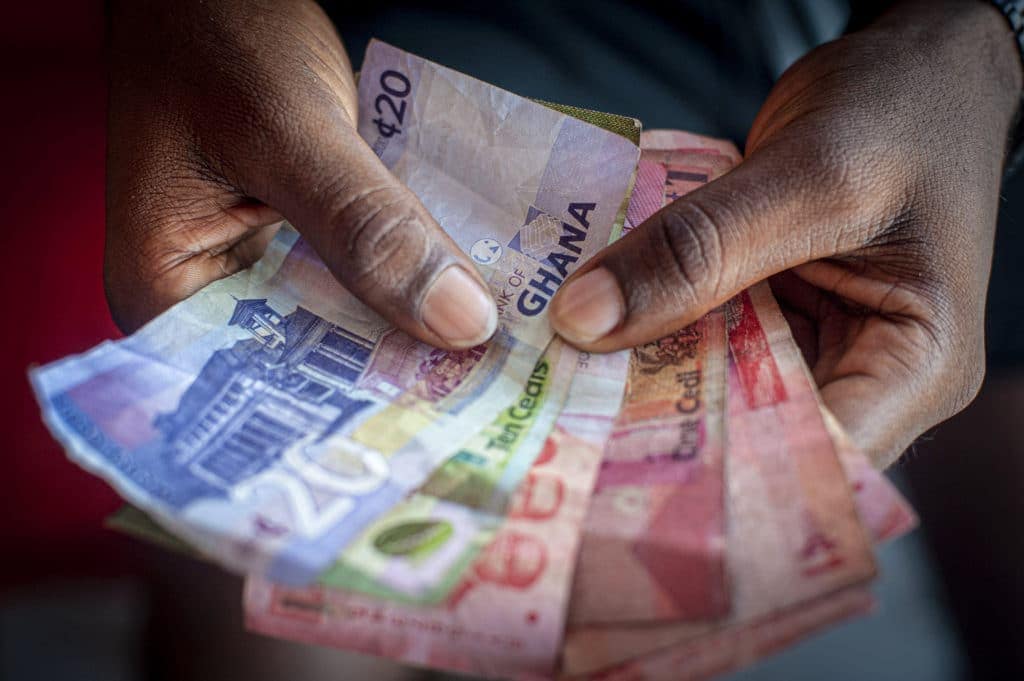
The 2022 economic crisis was not just numbers on a spreadsheet. The Bank estimates that more than 800,000 Ghanaians were pushed into poverty in the aftermath, while per capita income remained stagnant—hovering around US $2,200 for a decade. Currently, over one quarter of the population is estimated to be living in poverty.
In a cautionary tone, the report warns of renewed fiscal overreach in the 2024 election year, citing US$4.8 billion in unbudgeted spending commitments (roughly 5.7% of GDP) that had been accumulated outside official financial systems.
Policy Prescription or Harsh Reality?
The World Bank’s message to Ghana is unapologetically blunt: Temporary fixes will no longer suffice. Among its recommendations:
- Restore fiscal discipline
- Expand the tax base
- Reform state-owned enterprises
- Strengthen governance and accountability
Without such structural changes, the Bank warns, Ghana risks becoming perpetually trapped in a cycle of crises, bailouts, and recovery—a narrative that has plagued much of its post-independence economic history.
Looking Ahead: Can Ghana Make a Turnaround?
The report frames Ghana’s current moment as a crossroads. Ghana can either continue on a perilous path of reactive piecemeal policies, or signal a sincere break with the past by enacting real reform, regaining citizen trust, and anchoring long-term stability.
For the people of Ghana, who bore the brunt of the crisis, the stakes couldn’t be higher.
DISCLAIMER: The Views, Comments, Opinions, Contributions and Statements made by Readers and Contributors on this platform do not necessarily represent the views or policy of ahanawest.com.