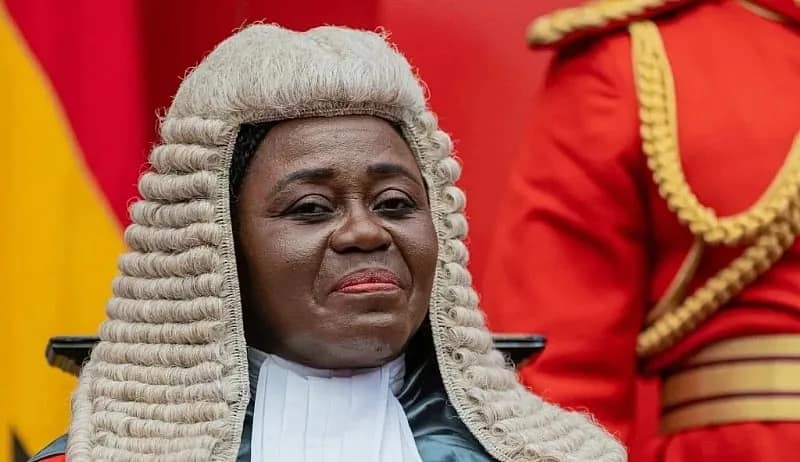



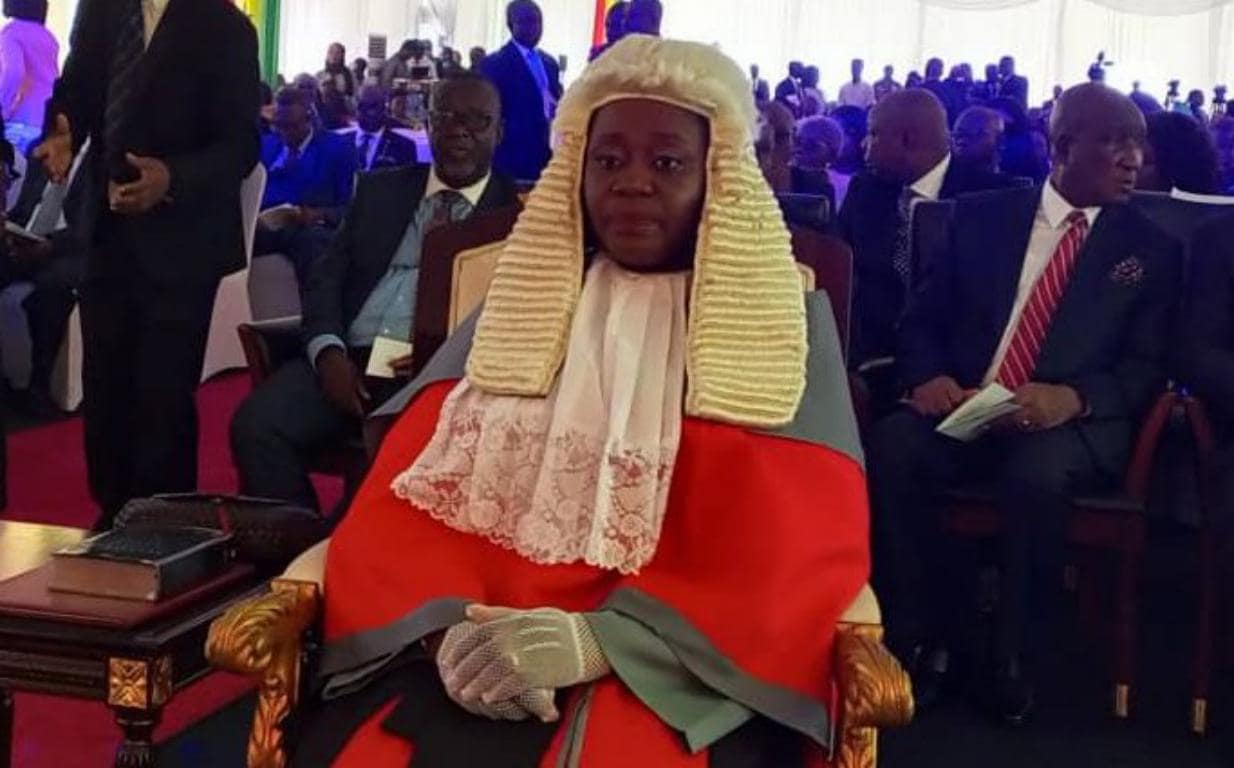
The removal of Chief Justice Gertrude Torkornoo marks an unprecedented moment in Ghana’s Fourth Republic. For the first time since 1992, the head of the judiciary has been dismissed for stated misbehaviour. The appointment of Justice Paul Baffoe-Bonnie by President Mahama, while constitutional, is not merely a routine succession. It raises fundamental questions about the independence of the judiciary, the balance of powers, and the resilience of our democratic institutions.
Justice Baffoe-Bonnie’s credentials are beyond dispute: decades of service from the High Court to the Supreme Court, respected for diligence and integrity. Yet, the timing and political context of his nomination cannot be ignored. Justice Torkornoo’s removal, following months of inquiry, has left lingering doubts among sections of the public about fairness, due process, and political interference.
The judiciary is the last bastion of democracy. When its credibility is shaken, the entire architecture of governance trembles. While Mahama’s decision to swiftly nominate a successor may restore stability at the institutional level, public confidence must also be restored. The Council of State and Parliament now bear the heavy responsibility of scrutinising not just the man, but the process.
Ultimately, the lesson for Ghana is this: democracy thrives not only on constitutional compliance but also on the perception of justice being done. If citizens feel that the judiciary is an extension of executive power, we risk eroding faith in the very system designed to protect us all.
Justice Baffoe-Bonnie’s nomination is an opportunity — to rebuild trust, to affirm judicial independence, and to remind ourselves that the rule of law must remain sacred, no matter the political storms of the day.
DISCLAIMER: The Views, Comments, Opinions, Contributions and Statements made by Readers and Contributors on this platform do not necessarily represent the views or policy of ahantawest.com