

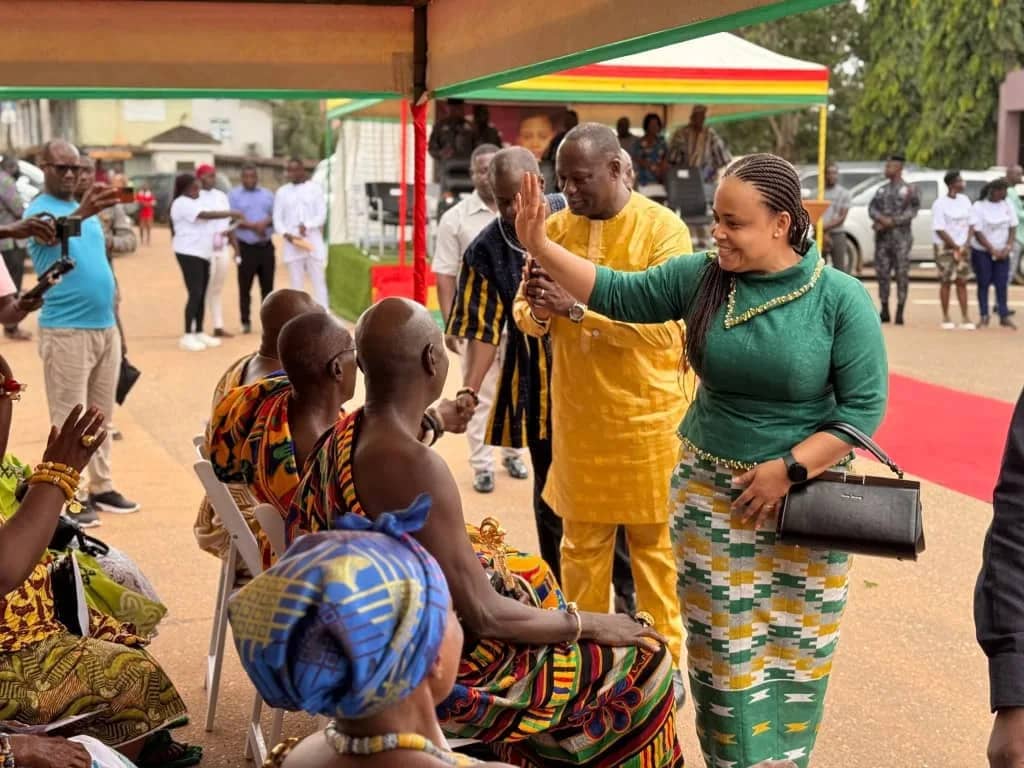
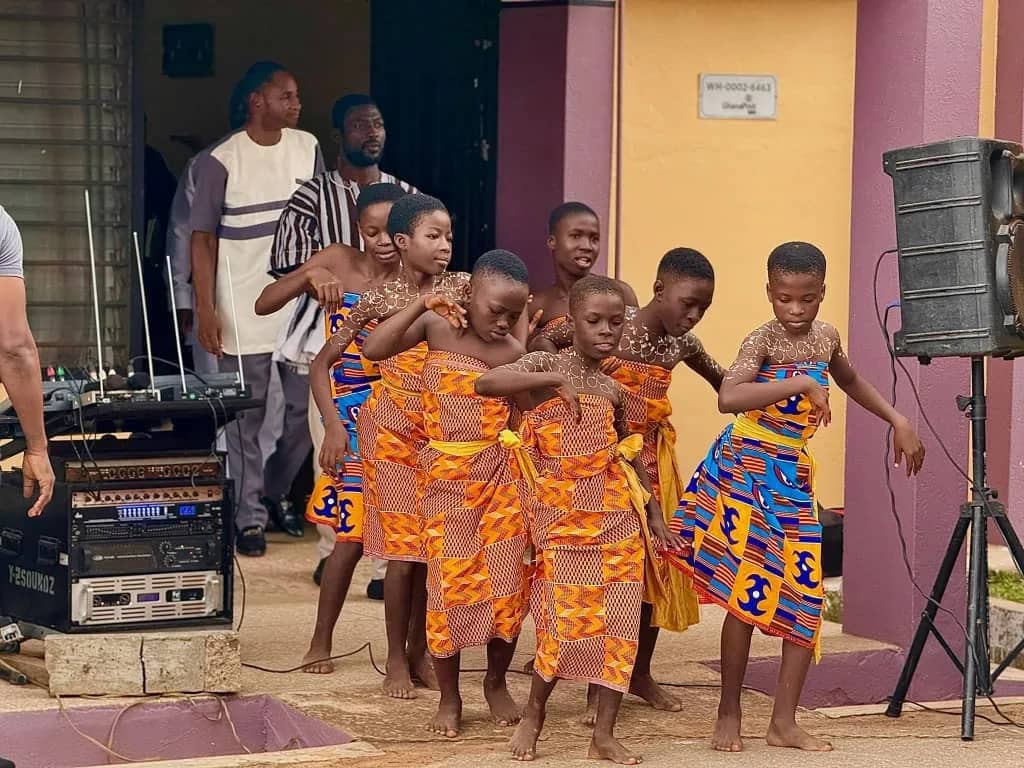
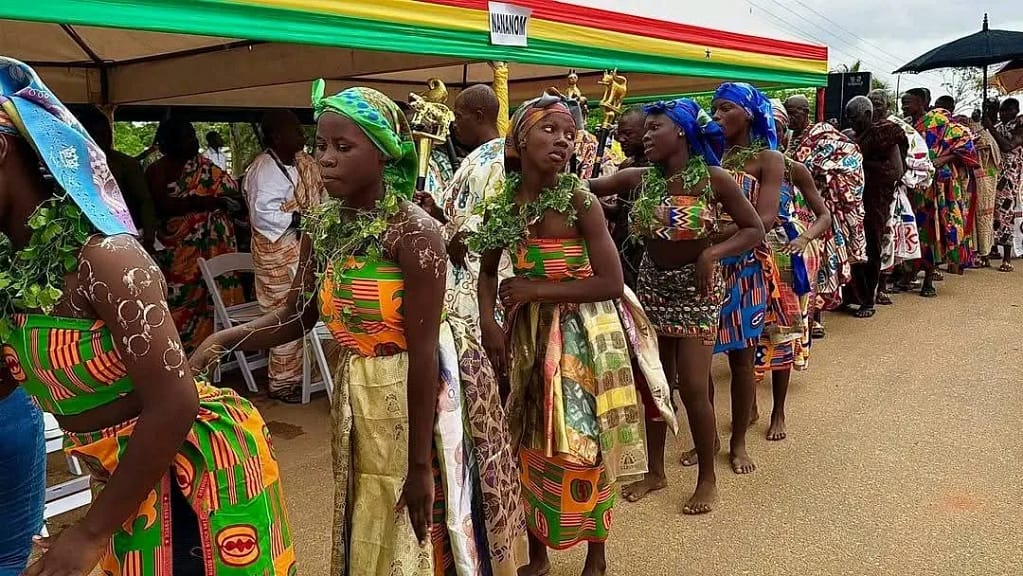
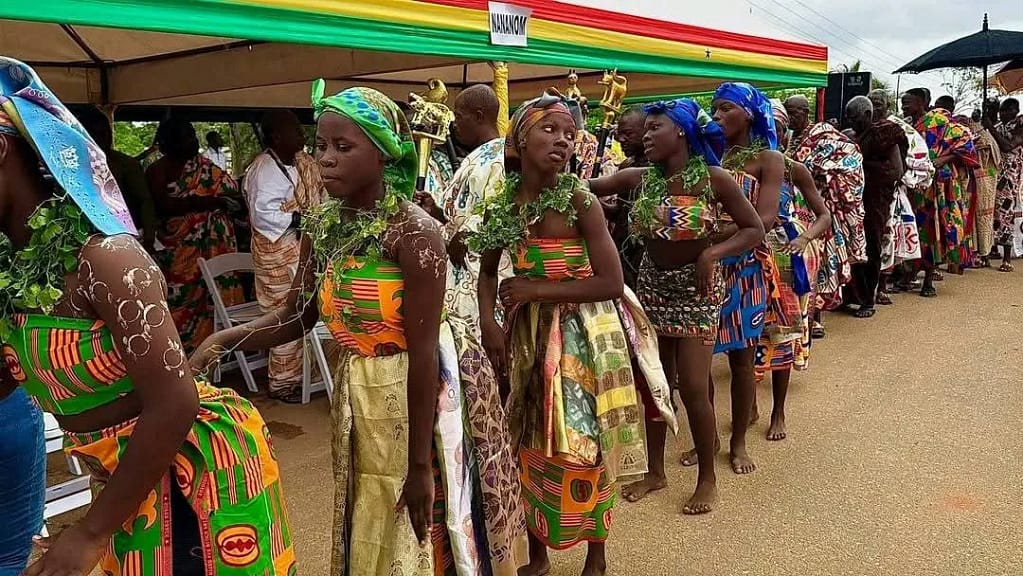
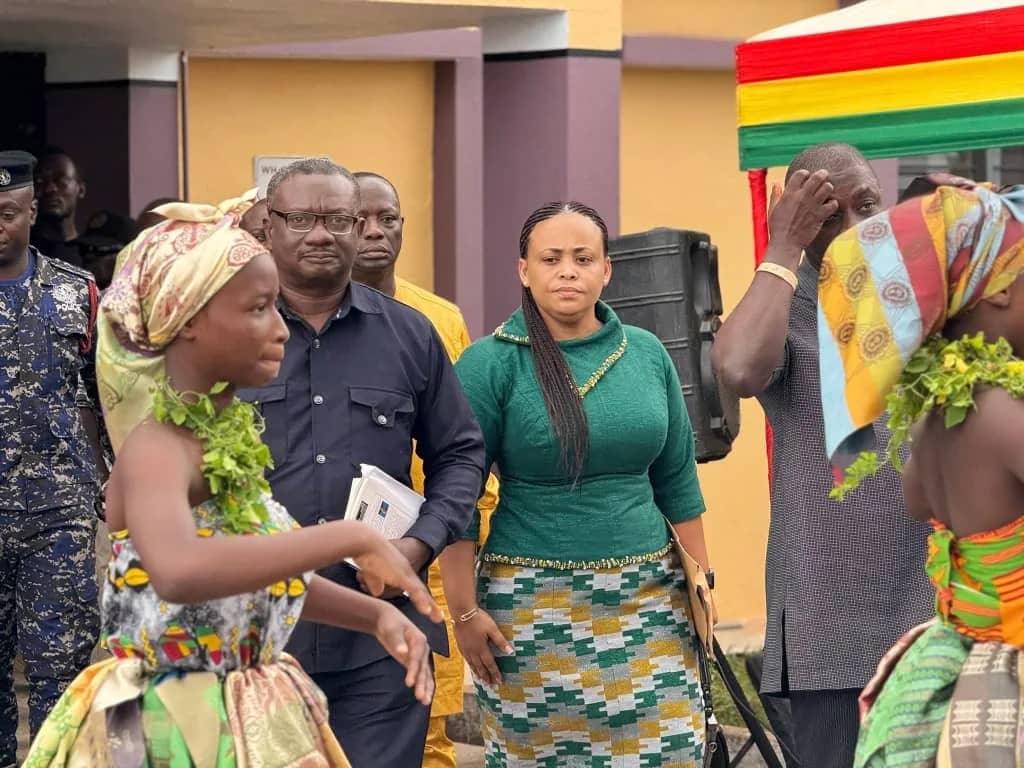
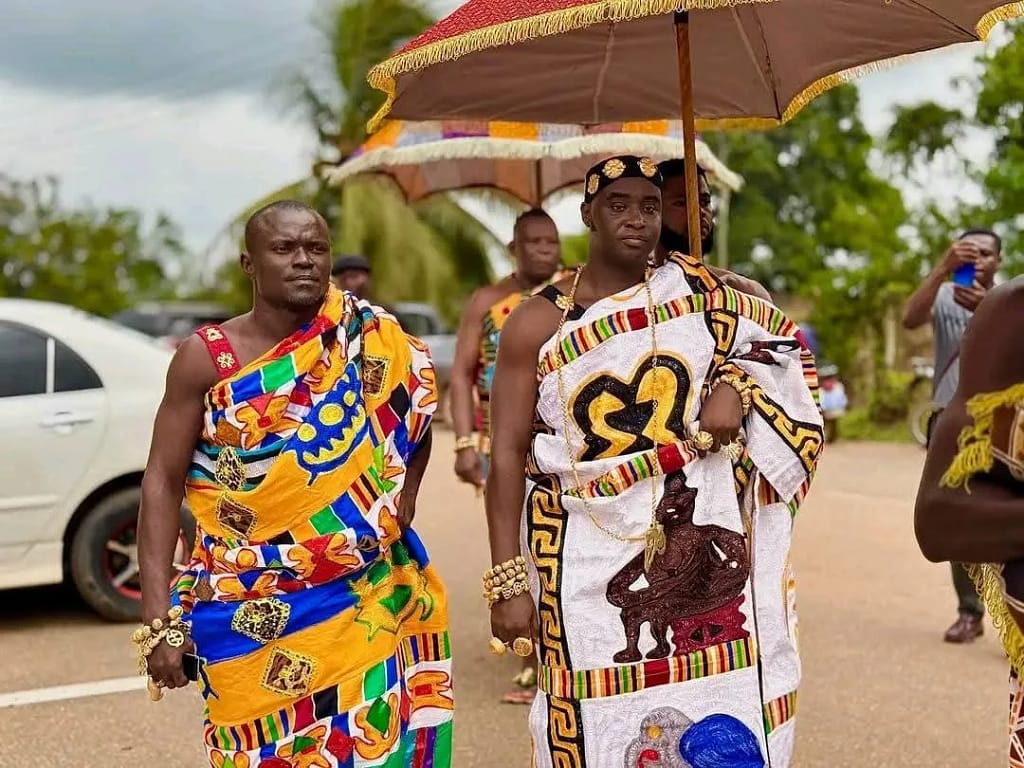
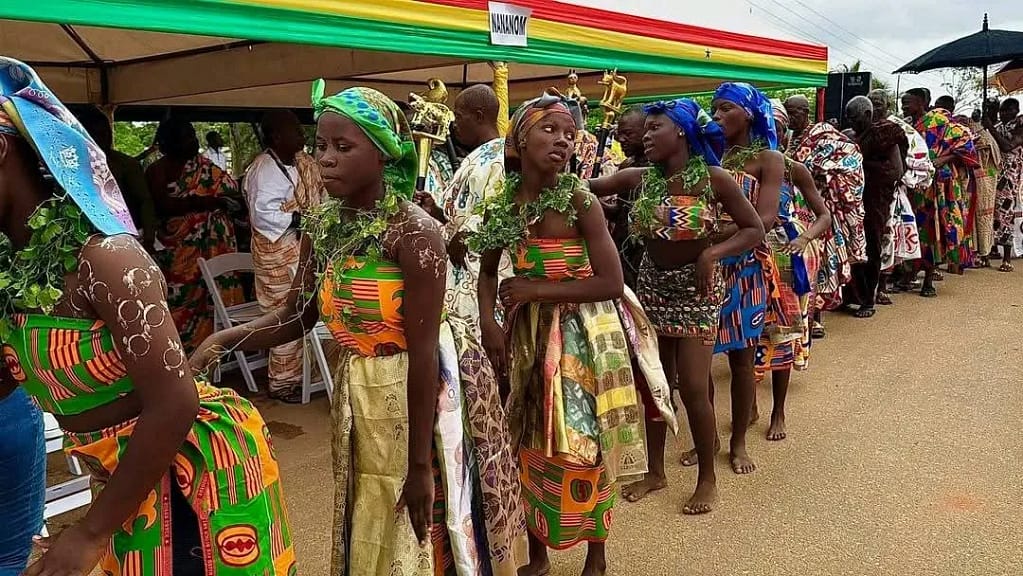
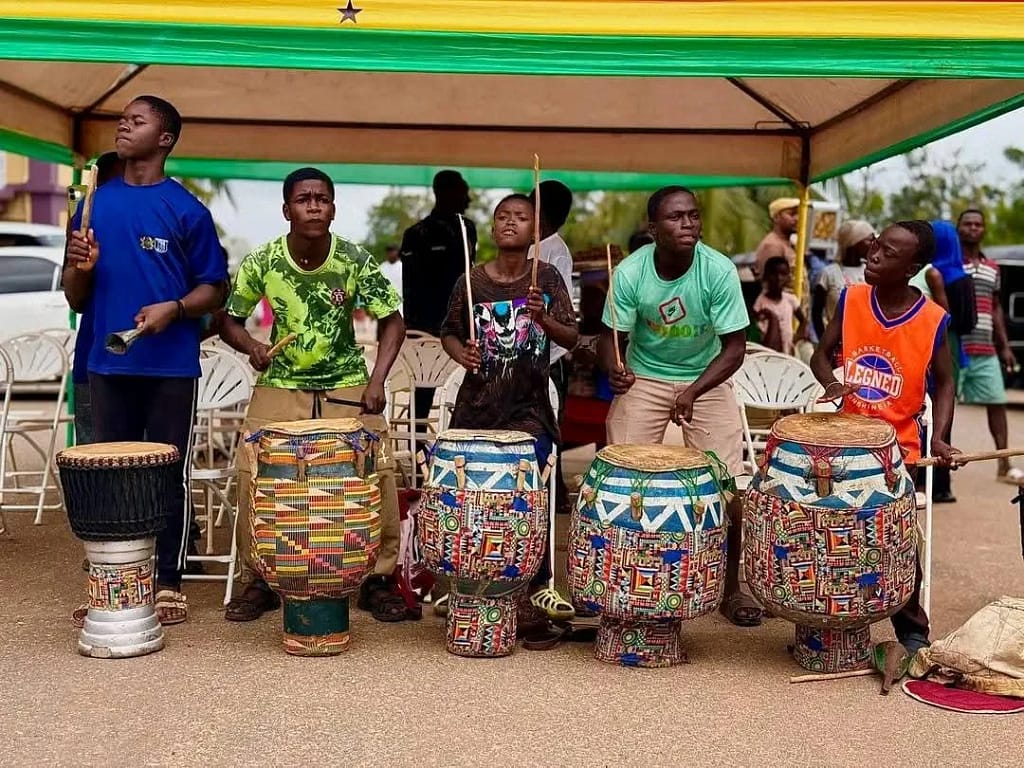
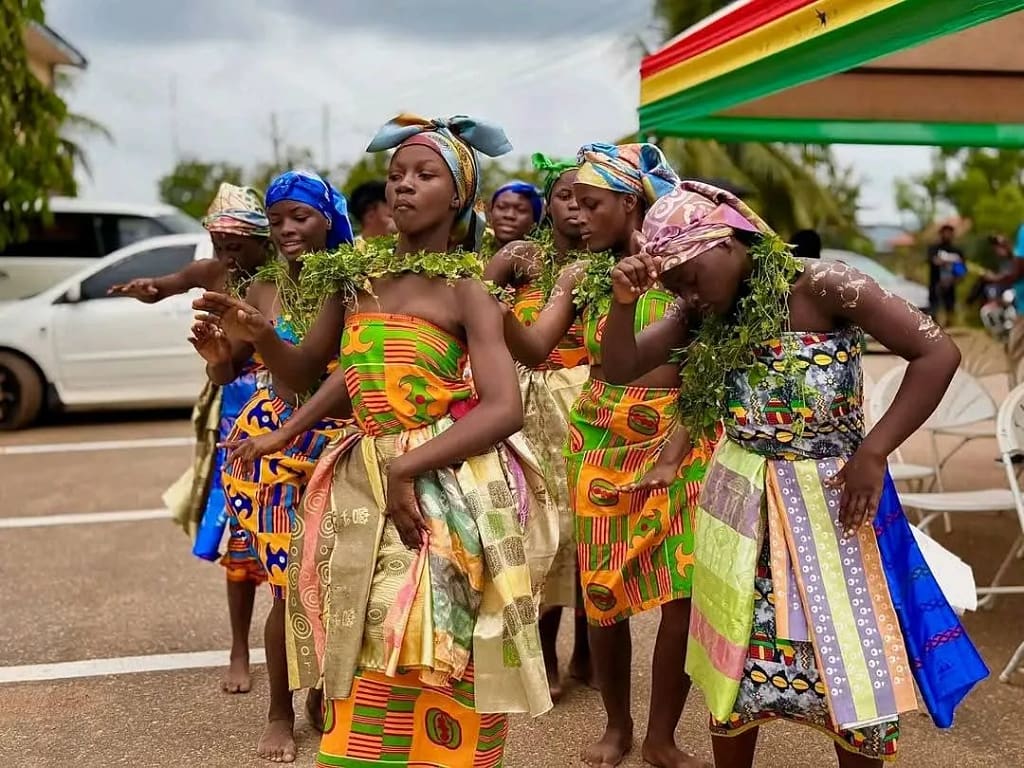
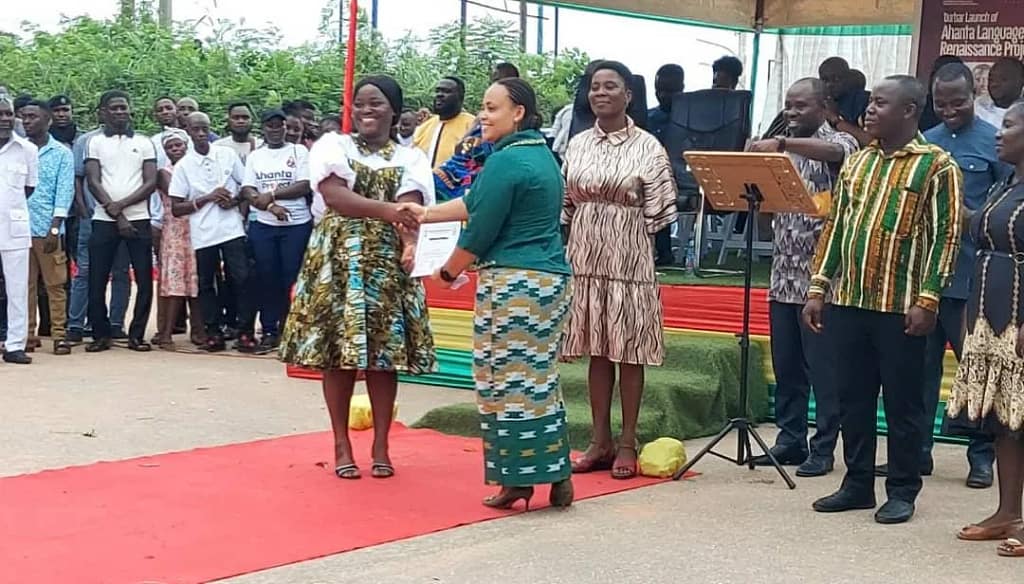
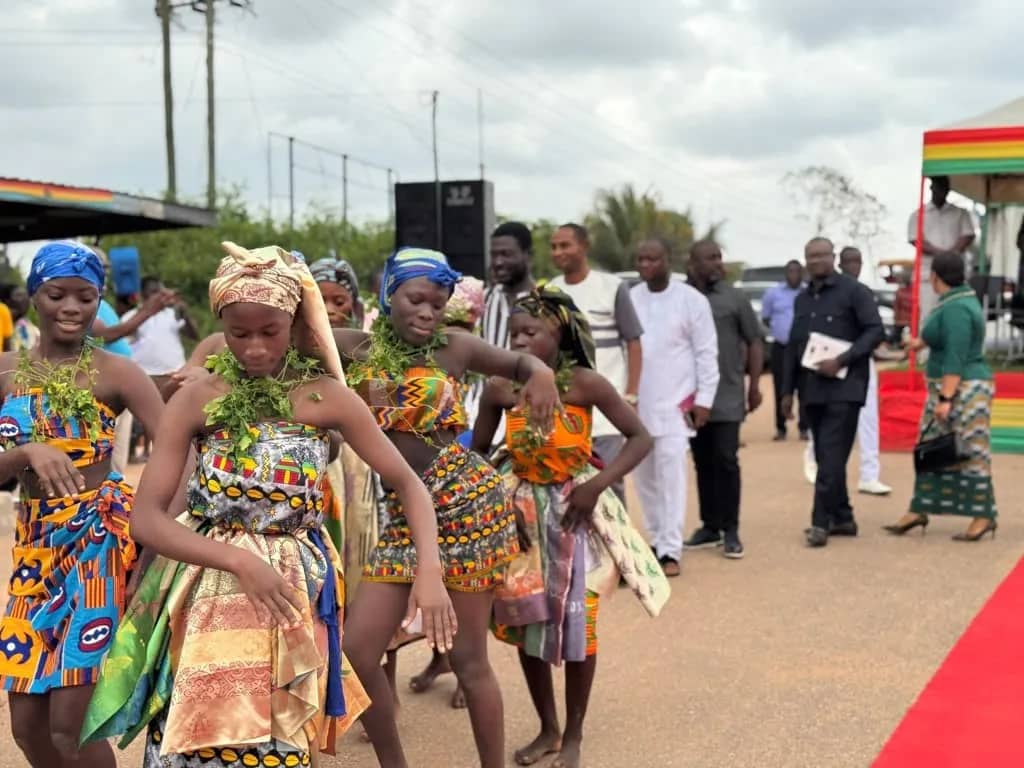
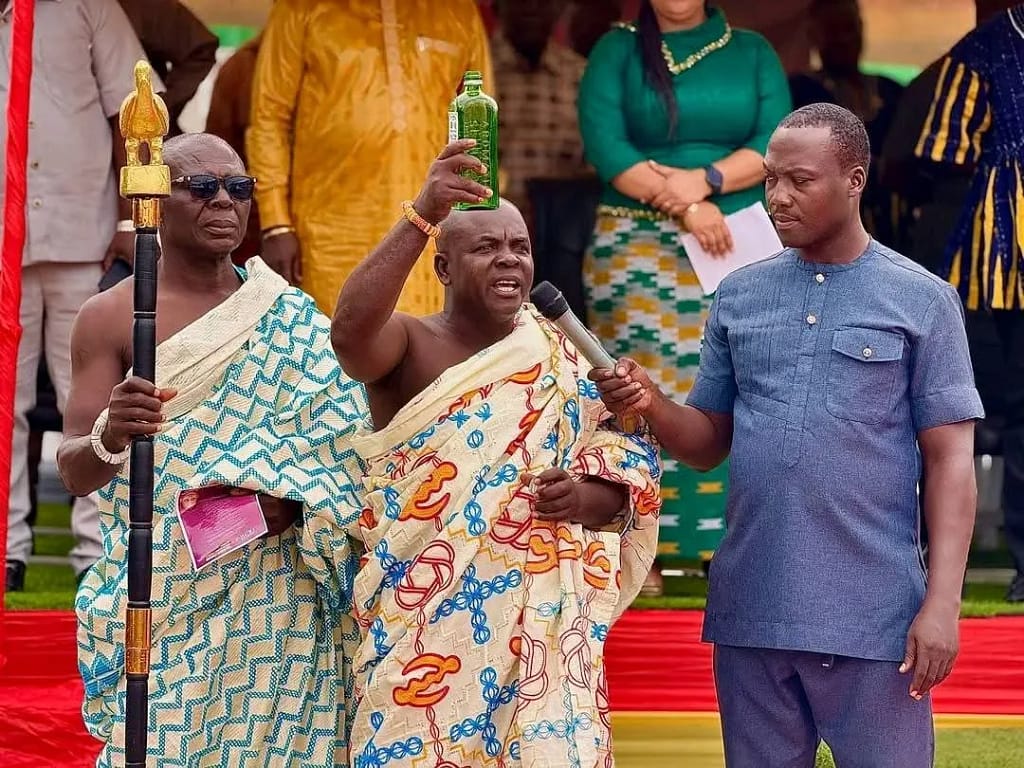
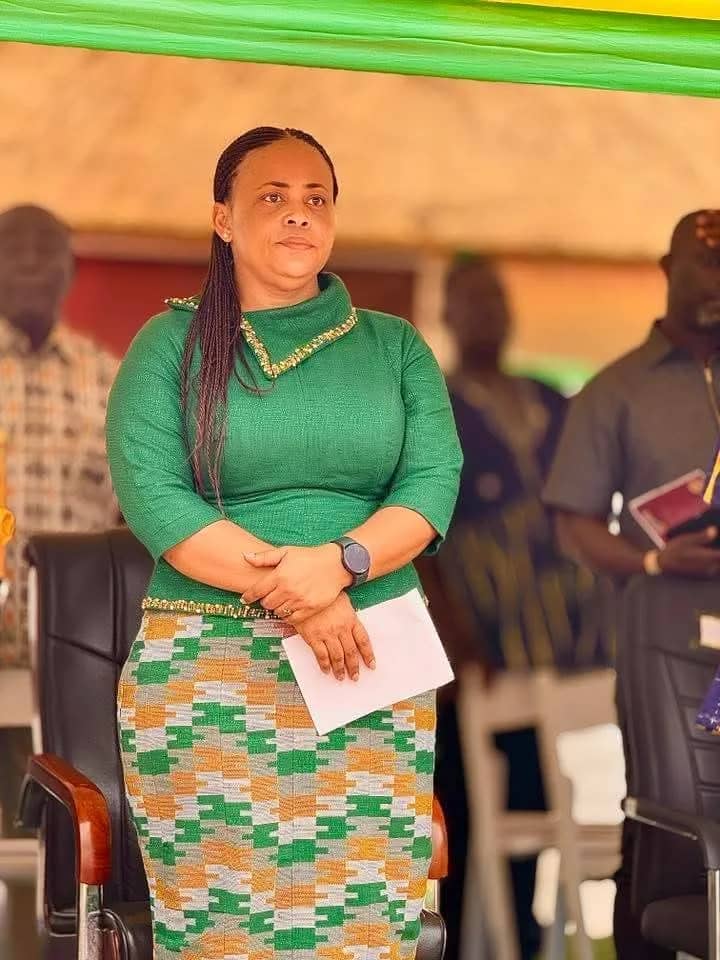
In a colorful and culturally rich durbar held in the Ahanta West Municipality, the Ahanta Renaissance Project was officially launched. This bold and visionary initiative, spearheaded by Hon. Mavis Kuukua Bissue, the Member of Parliament for Ahanta West, seeks to integrate the Ahanta language into the Basic School curriculum, beginning with selected pilot schools across the municipality.
The launch marks a major milestone in the preservation and promotion of indigenous Ghanaian languages, particularly within the Western Region. It also serves as the fulfillment of a key campaign promise by Hon. Bissue, who has consistently championed the cause of cultural identity, language revitalization, and inclusive education.
A Language at Risk
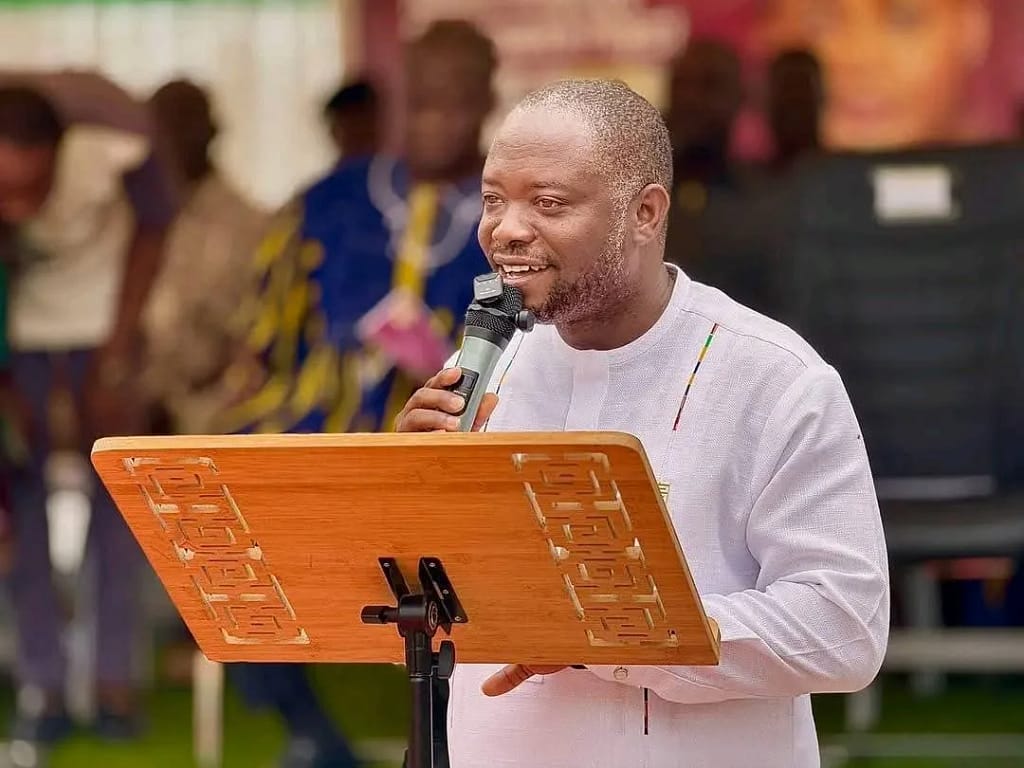
In her address, the MP emphasized the urgent need for intervention, warning that if no pragmatic steps are taken, the Ahanta language risks falling into extinction within the next two decades. This projection is consistent with global UNESCO reports that highlight the vulnerability of minority languages when they are not formally taught or documented.
The Ahanta Renaissance Project will not only promote the teaching and learning of the language in schools but also lay the foundation for curriculum development, teacher training, and the creation of Ahanta-language literature and learning materials. By placing the language within formal education structures, the initiative gives it legitimacy, structure, and continuity.
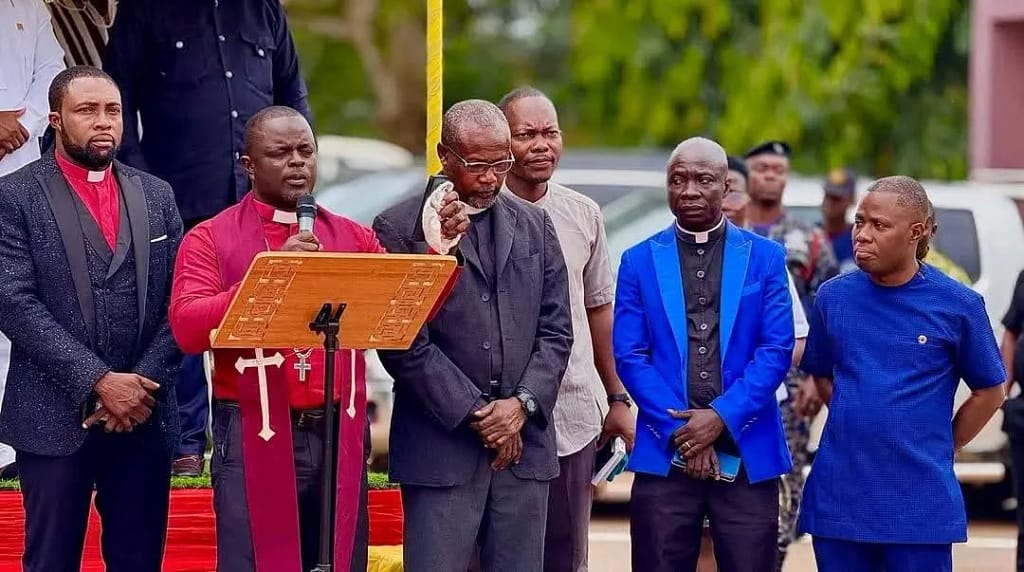
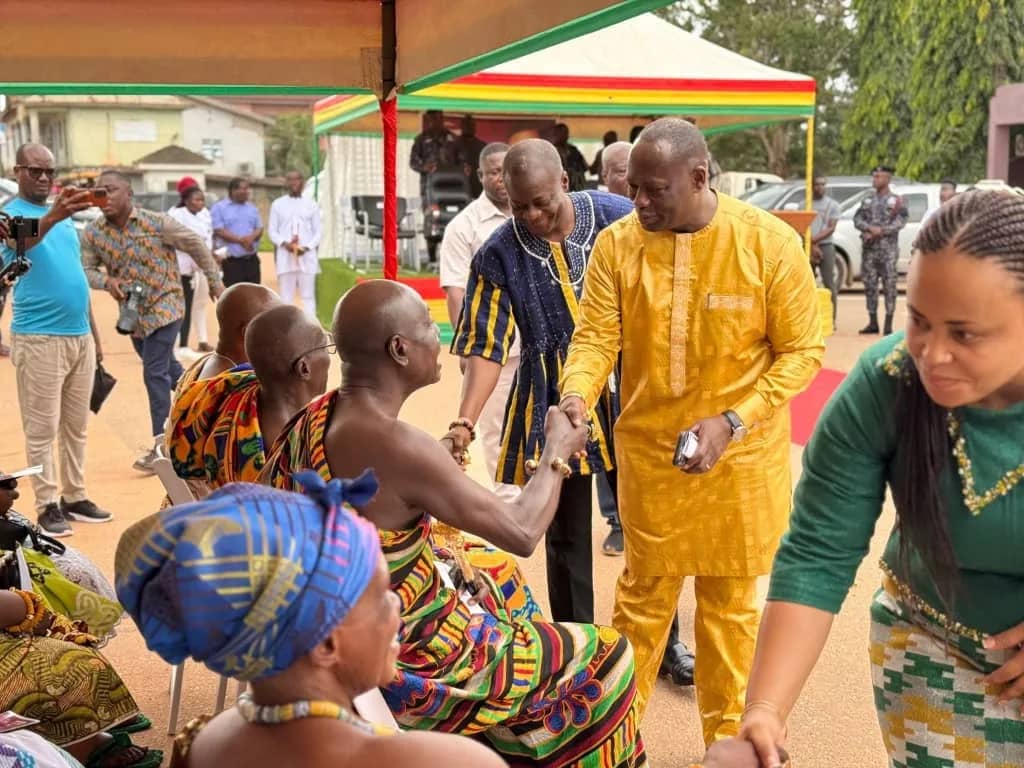
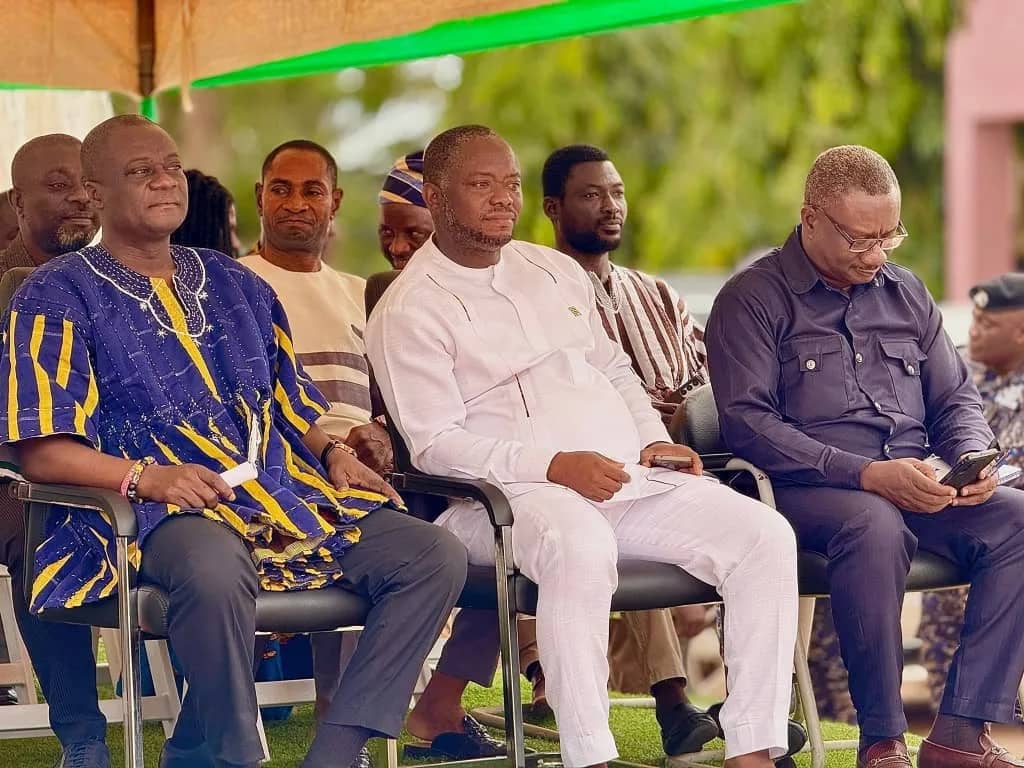
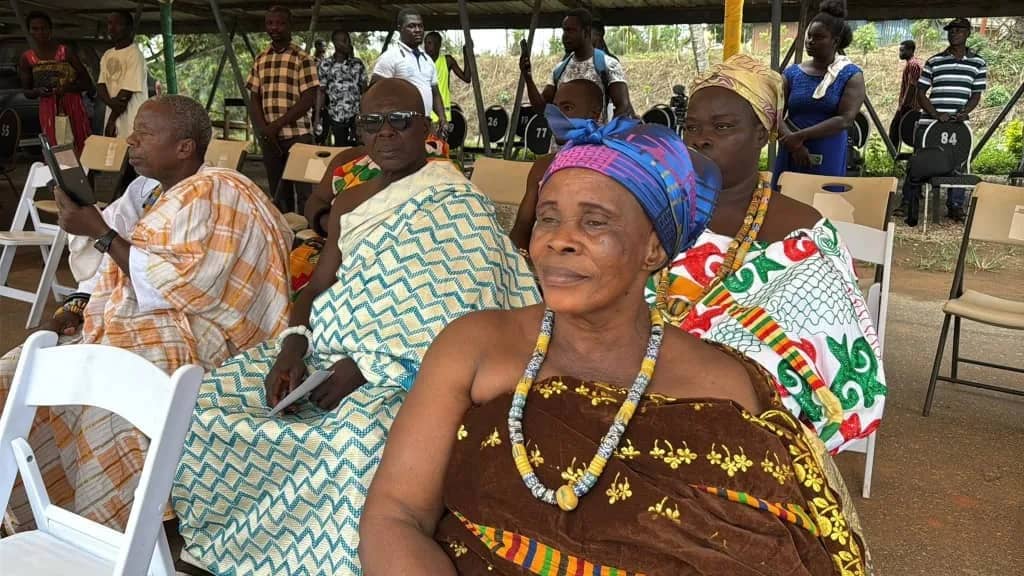
Dignitaries and Stakeholders Present
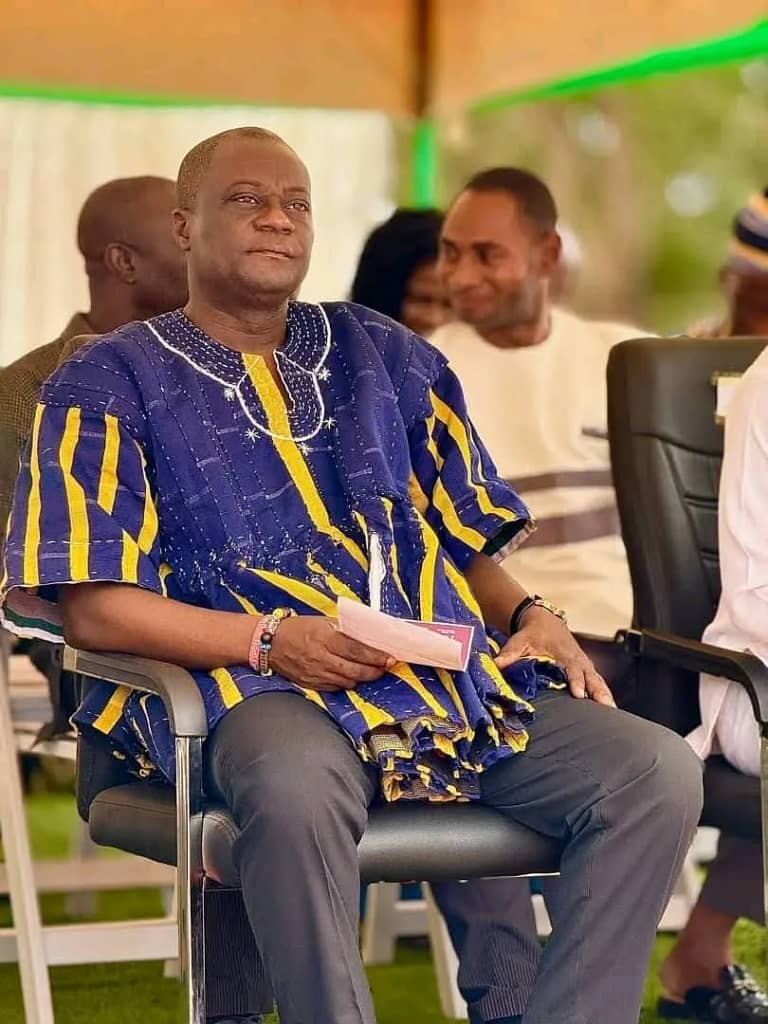
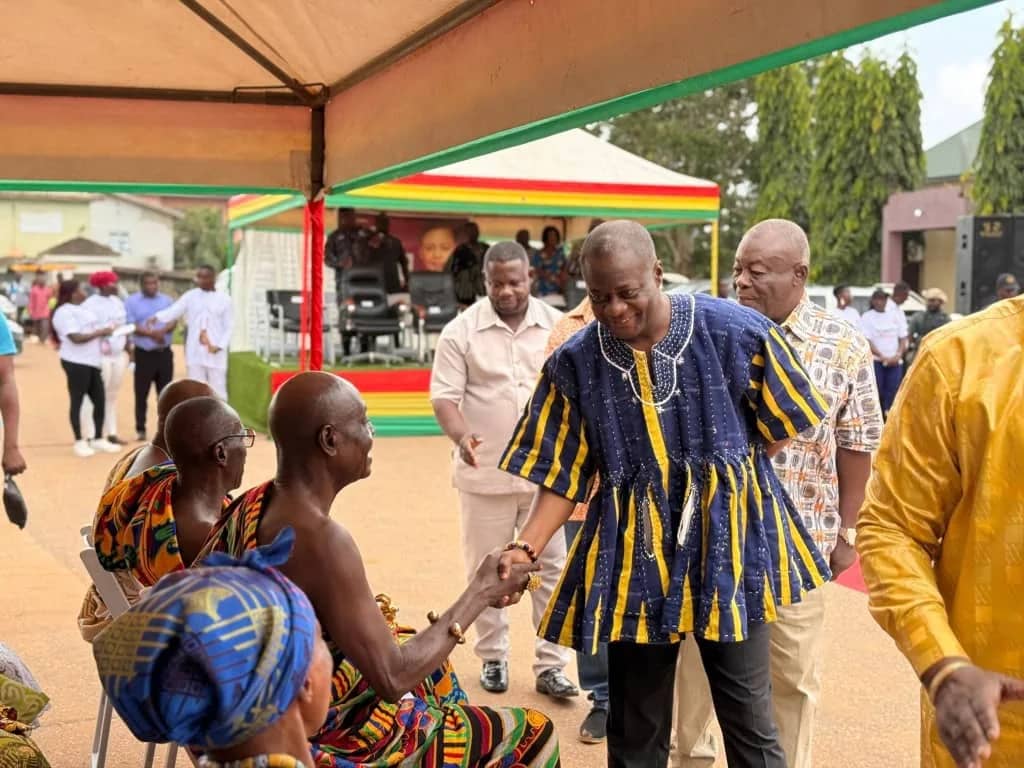
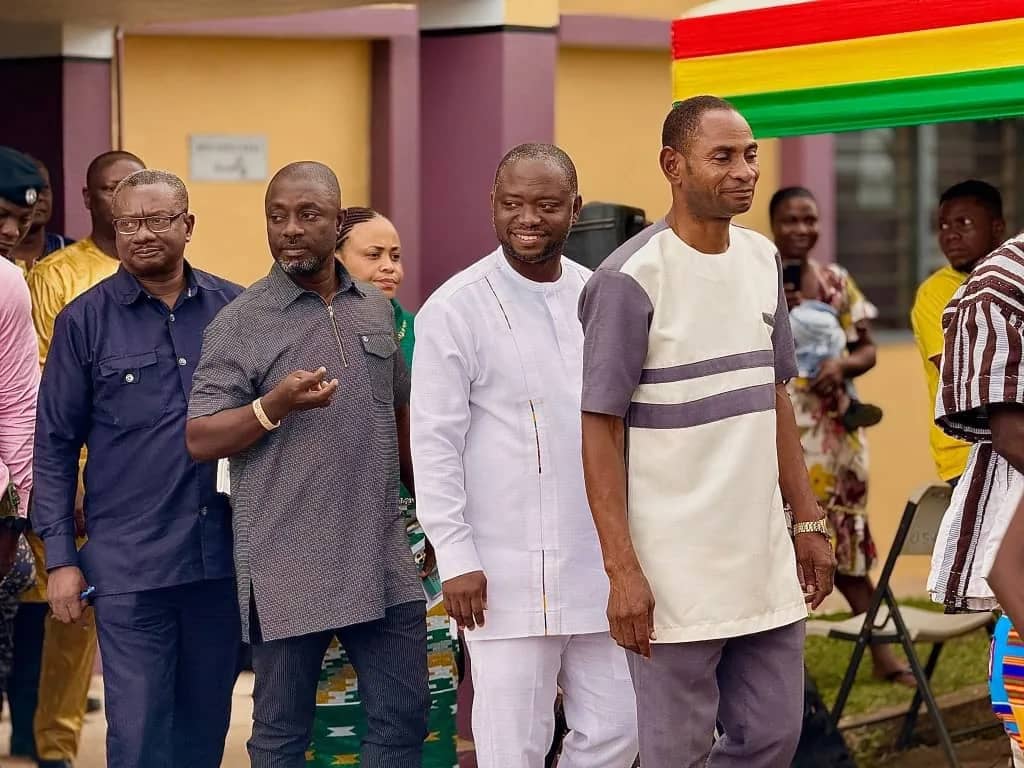
The durbar drew a wide range of dignitaries, cultural custodians, educators, and partners from both the public and private sectors. Among the notable attendees were:
- A Representative from the Ministry of Education, who reaffirmed the government’s commitment to supporting local language integration in basic education.
- The Regional Minister for the Western Region, who commended the MP for her proactive leadership and cultural advocacy.
- The Minister for Lands and Natural Resources, whose presence underscored the link between land, culture, and language preservation.
- Several Members of Parliament from across the Western Region, showing solidarity for the regional heritage.
- The Dean of Akan and Nzema Language Studies from the University of Education, Winneba (Ajumako Campus), who highlighted the academic and linguistic frameworks necessary for the successful integration of the Ahanta language into educational settings.
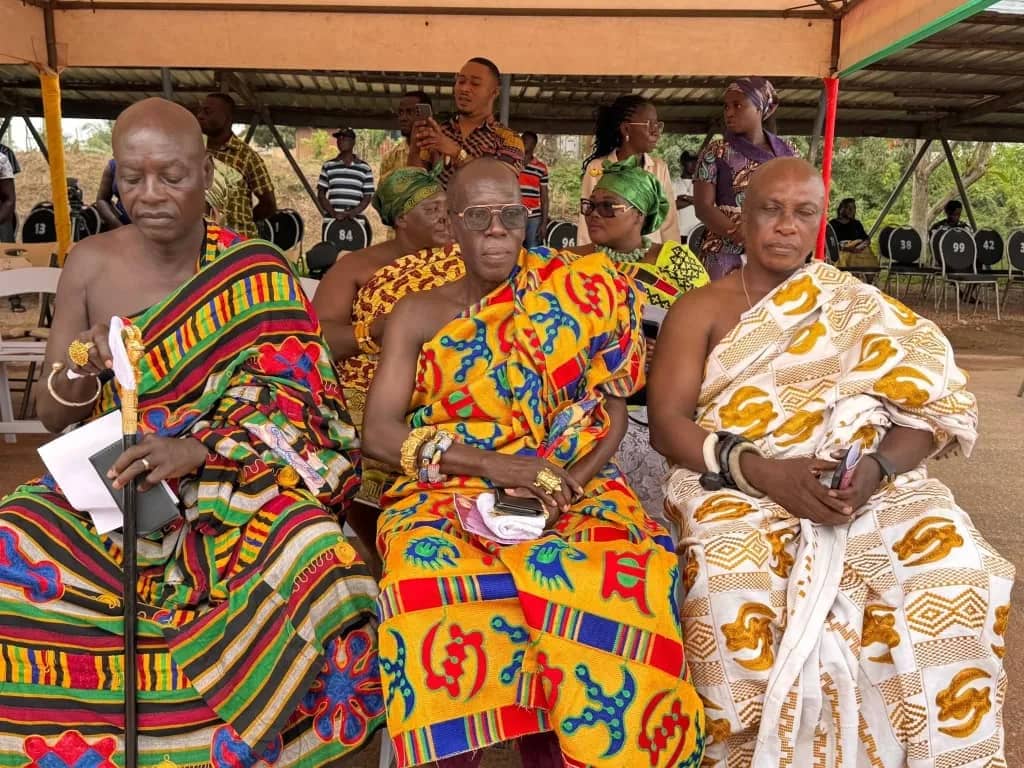
- Representatives from the Three Paramountcies in Ahanta West, including the revered traditional chiefs, whose blessings and symbolic authority give cultural weight to the initiative.
- Teachers selected for the pilot phase, who will be trained to deliver instruction in Ahanta under the new program.
- Members of the Ahanta Bible Translation Team, who are contributing to the development of written materials and spiritual literature in the local language.
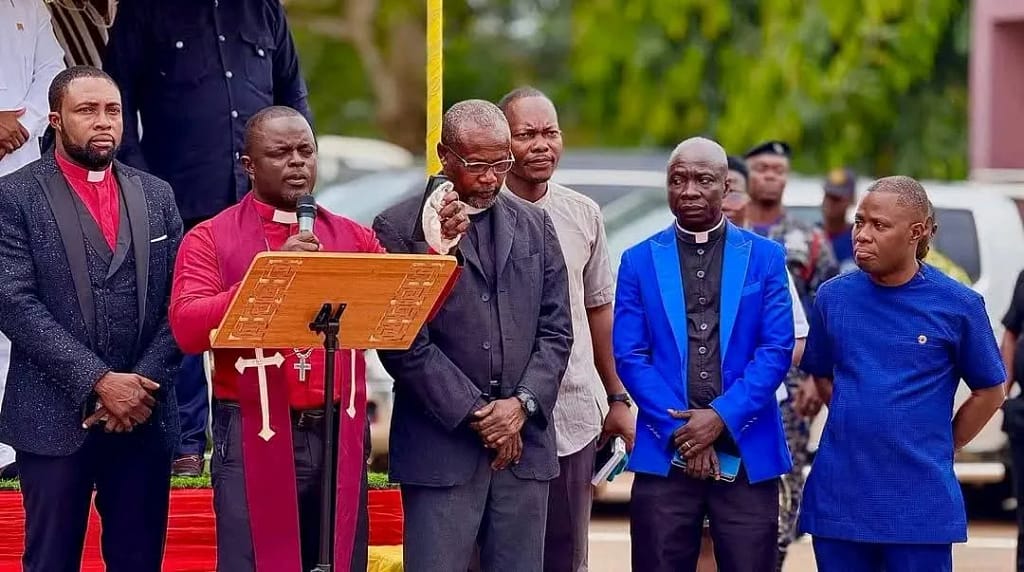
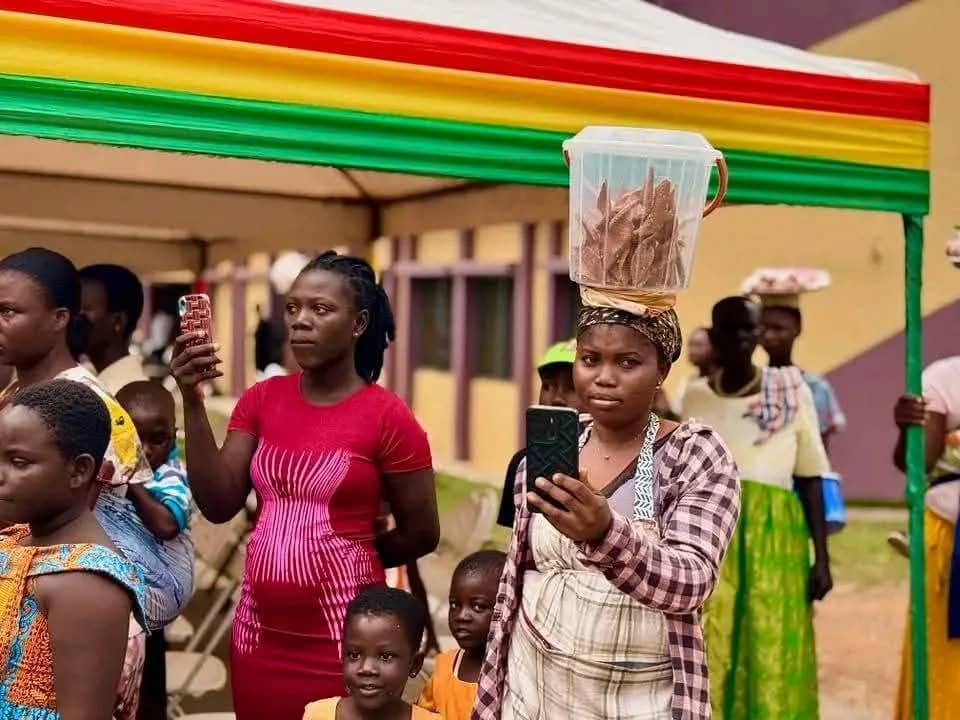
- The clergy, local media houses, and a host of cultural organizations and residents who added vibrancy and community spirit to the occasion.
A Continuing Cultural Agenda
This initiative is part of a broader national conversation around cultural identity and indigenous knowledge systems. Similar to earlier initiatives for Nzema, Dagbani, and Ewe languages, the Ahanta Renaissance Project aligns with Ghana’s National Literacy Acceleration Programme (NALAP), which promotes bilingual education in early childhood learning.
The launch also echoes previous cultural revitalization programs such as the Ghana Languages Policy Framework, which encourages the use of mother tongues for instruction at the foundational levels of education.
Conclusion and Way Forward
As the project takes off, Hon. Bissue reaffirmed her commitment to seeing the program grow into a fully established, Ministry-approved language subject across the Western Region and beyond. She also called for stakeholder partnerships, including from NGOs, academia, and traditional councils, to ensure sustainability.
The Ahanta Renaissance Project is more than a curriculum reform—it is a cultural awakening, a rescue mission, and a hopeful step toward restoring linguistic pride in younger generations of Ahantas. If successful, it will stand as a national model for reviving and preserving other endangered Ghanaian languages.
DISCLAIMER: The Views, Comments, Opinions, Contributions and Statements made by Readers and Contributors on this platform do not necessarily represent the views or policy of ahantawest.com