


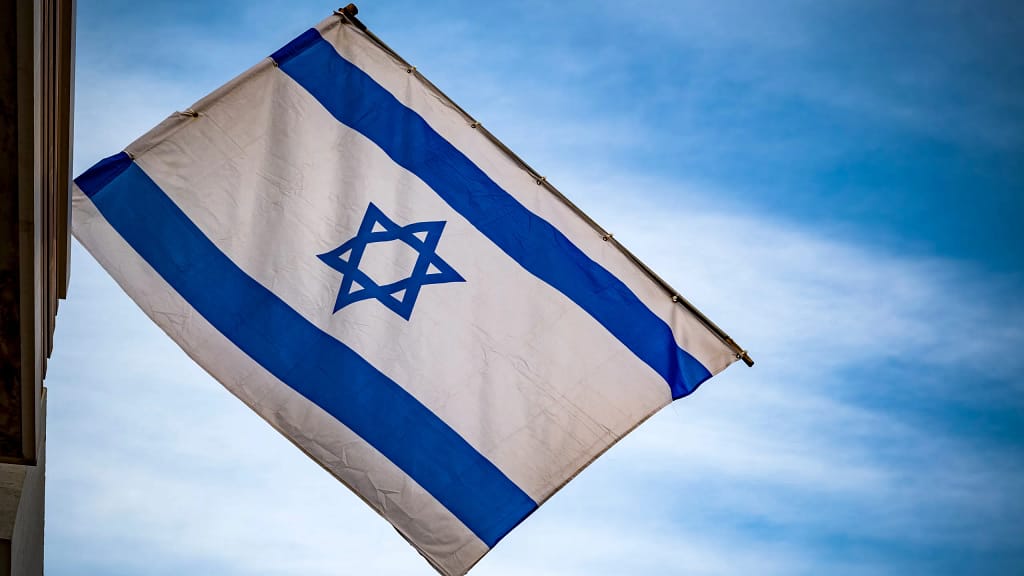
Zionism is one of the most influential—and often misunderstood—ideologies of the modern era. At its core, Zionism is a nationalist movement that advocates for the establishment and support of a Jewish homeland, historically centered in the region known as Palestine, now modern-day Israel.
In this beginner’s guide, we break down the origins, goals, controversies, and impact of Zionism to help you better understand its role in global history and current Middle East politics.
What Is Zionism?
Zionism is a political and ideological movement that began in the late 19th century. Its primary aim was to create a national homeland for the Jewish people, who faced widespread persecution and anti-Semitism in Europe and elsewhere.
The movement draws its name from “Zion,” a biblical term that refers to Jerusalem and, more broadly, the Land of Israel.
Origins of Zionism
1. European Anti-Semitism and Nationalism
- In 19th-century Europe, Jews were often marginalized and excluded from national identities.
- Influenced by growing European nationalism, many Jews began advocating for self-determination in their ancestral homeland.
2. Theodor Herzl and Political Zionism
- Theodor Herzl, an Austrian journalist, is considered the father of modern Zionism.
- In his 1896 book The Jewish State, Herzl argued that Jews needed their own sovereign state to live in safety and dignity.
- The first Zionist Congress was held in 1897 in Basel, Switzerland, setting the foundation for future Jewish migration and settlement.
Key Goals of Zionism
- Establish a Jewish homeland in Palestine (then under Ottoman rule).
- Encourage Jewish immigration (Aliyah) to the land.
- Build a political, economic, and cultural infrastructure to support Jewish life and autonomy.
- Revive the Hebrew language and Jewish identity.
Zionism and the Creation of Israel
- After decades of immigration, land purchase, and political lobbying, Zionist efforts culminated in the establishment of the State of Israel in 1948.
- The Holocaust greatly intensified international support for a Jewish homeland.
- While Zionism succeeded in creating Israel, it also contributed to the displacement of hundreds of thousands of Palestinians, leading to ongoing conflict.
Different Types of Zionism
- Political Zionism – Focuses on creating and maintaining a sovereign state.
- Religious Zionism – Sees the return to Israel as a divine promise.
- Cultural Zionism – Emphasizes Jewish cultural and linguistic revival over statehood.
- Labor Zionism – Mixes socialism with Zionist ideals, influential in early Israeli society.
Criticism and Controversy
Zionism is deeply controversial, especially in the context of the Israel-Palestine conflict.
Critics argue:
- Zionism led to the displacement of Palestinians and the ongoing occupation.
- It creates ethno-national hierarchies, privileging Jews over other groups.
Supporters argue:
- Zionism is a legitimate movement for Jewish self-determination, like any national liberation effort.
- It was a necessary response to centuries of anti-Semitism, including the Holocaust.
Modern Zionism Today
Today, Zionism continues to shape Israeli politics, identity, and diaspora Jewish support. However, debates persist over:
- What it means to be a Zionist in the 21st century.
- Whether Zionism is compatible with Palestinian rights and coexistence.
- How the movement should evolve to address contemporary challenges.
Conclusion
Zionism is a powerful force in modern history—both as the ideological backbone of the State of Israel and a source of global debate. Understanding its origins, intentions, and impacts is essential to grasping the broader complexities of Jewish identity, Middle East politics, and international relations.